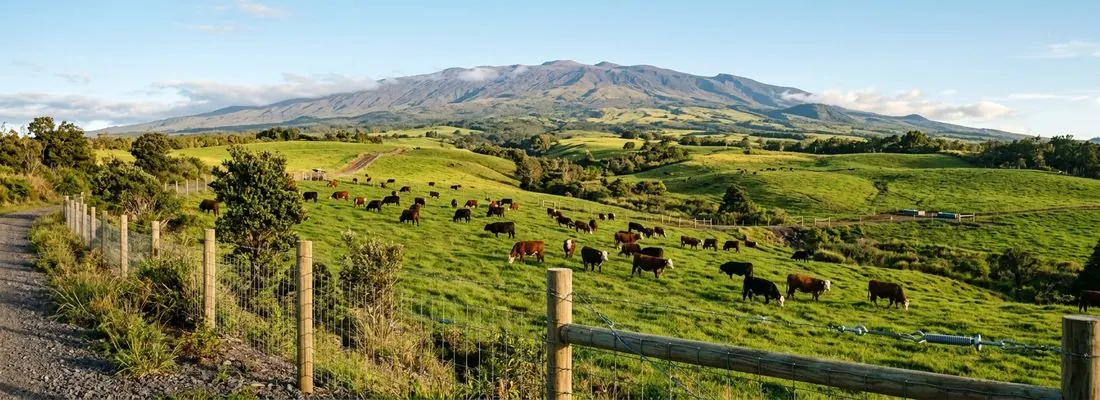
Big Island Cattle Ranching: 5 Tips for Success
· Miranda Country Store
Key Takeaways
- Match cattle breeds to the specific elevation and rainfall of your district.
- Implement rotational grazing to prevent overgrazing on shallow volcanic soils.
- Invest in high-quality electric or wire fencing to secure remote perimeters.
- Supplement forage with minerals to compensate for tropical nutrient deficiencies.
- Maintain a consistent deworming schedule to combat high-humidity parasites.
Learn how to master cattle ranching on the Big Island with expert tips on stocking rates, fencing, and managing tropical nutrition for your herd.
Success in cattle ranching Big Island tips involves managing unique volcanic soil conditions, selecting the right breeds for specific micro-climates, and maintaining robust infrastructure. Focus on intensive rotational grazing, high-quality fencing, and balancing tropical forage with mineral supplements to ensure herd health and long-term profitability.
Key Takeaways
- Match cattle breeds to the specific elevation and rainfall of your district.
- Implement rotational grazing to prevent overgrazing on shallow volcanic soils.
- Invest in high-quality electric or wire fencing to secure remote perimeters.
- Supplement forage with minerals to compensate for tropical nutrient deficiencies.
- Maintain a consistent deworming schedule to combat high-humidity parasites.
Understanding Big Island Micro-Climates for Cattle
The Big Island offers diverse environments ranging from the arid plains of South Kohala to the lush, rainy slopes of Hilo and Hāmākua. Success requires selecting heat-tolerant breeds for coastal areas or more robust varieties for higher elevations like Waimea. Understanding local weather patterns ensures your herd remains comfortable and productive year-round.
How do micro-climates affect cattle ranching on the Big Island?
Big Island micro-climates dictate forage growth, water availability, and breed suitability. Ranchers in wet districts like Puna must manage mud and foot rot: while those in dry areas like Kona focus on drought-resistant grasses and water storage. Matching your cattle genetics to your specific rainfall zone reduces animal stress and maximizes weight gain.
Stocking Rates: How Many Head Per Acre on Volcanic Soil?
Determining the right stocking rate is critical for protecting our fragile volcanic ecosystems. While some lush areas of Hilo can support one cow per two acres: drier or rocky areas might require ten acres or more per head. Overstocking leads to soil erosion and the spread of invasive weeds like fireweed.
What is the ideal stocking rate for Big Island pastures?
The ideal stocking rate on the Big Island typically ranges from 1.5 to 5 acres per animal unit, depending on annual rainfall and soil quality. Volcanic soils vary in depth and nutrient retention: so ranchers should use rotational grazing to allow pastures time to recover and maintain adequate forage height.
Essential Infrastructure: Fencing and Water Catchment Solutions
Proper infrastructure is the backbone of any successful operation. Because many Big Island ranches are off-grid, reliable fencing products and water catchment systems are non-negotiable. Effective boundaries keep your cattle safe and prevent them from wandering into neighboring forest reserves or highways.
What are the best fencing and water solutions for Hawaiʻi ranches?
High-tensile wire and solar-powered electric fencing are the best solutions for Big Island ranchers dealing with rugged terrain and remote locations. For water: large-scale catchment tanks and gravity-fed troughs are essential in areas without municipal water lines. These systems ensure a consistent water supply even during the dry summer months.
Nutrition and Supplements: Balancing Tropical Forage Deficiencies
While Hawaiʻi pastures look green and lush, tropical grasses often lack essential minerals like selenium, copper, and zinc. Providing high-quality animal feed and lick blocks is necessary to fill these nutritional gaps. Proper supplementation improves conception rates and calf weaning weights.
Why do Big Island cattle need mineral supplements?
Big Island cattle require mineral supplements because tropical forages grow rapidly but often have lower nutrient density than temperate grasses. Volcanic soils may also be deficient in trace minerals essential for immune function and reproduction. Providing free-choice mineral blocks helps prevent deficiencies that lead to poor growth and reproductive failure.
Herd Health: Managing Parasites in a High-Humidity Environment
The warm, humid climate of the Big Island is the perfect breeding ground for internal and external parasites. Horn flies and internal worms can significantly reduce cattle productivity if left unchecked. A proactive health plan is the best way to keep your bottom line from shrinking.
How can ranchers manage parasites in Hawaiʻi?
Managing parasites in Hawaiʻi requires a combination of strategic deworming, pasture rotation, and fly control methods like ear tags or pour-ons. By rotating pastures: you break the life cycle of many internal parasites. Consistent monitoring and working with local experts ensure your herd stays healthy and maintains optimal weight levels.
Sourcing Supplies Locally: Why Miranda Country Store is Your Partner
Ranching in the middle of the Pacific comes with logistical challenges. Buying your supplies from a local source means you have access to products specifically chosen for Hawaiʻi’s environment. From specialized fertilizer for tropical pastures to heavy-duty gates, staying local helps your ranch thrive.
The MCS team understands the unique hurdles faced by Big Island producers. We stock the tools and feed you need to manage your land effectively. Whether you are a small-scale producer in Puna or managing a large spread in Kaʻū: we are here to support your success.
For more information on specific products or to get advice from our experienced staff, please feel free to contact us today.
Frequently Asked Questions
What are the best cattle breeds for the Big Island?
The best cattle breeds for the Big Island include Angus, Hereford, and Braford crosses. Brangus and other Brahman-influenced breeds are popular in hotter, coastal areas due to their heat tolerance and insect resistance. Crossbreeding allows ranchers to combine the carcass quality of British breeds with the hardiness required for tropical climates.
How do I improve my pasture quality in Hawaiʻi?
To improve pasture quality in Hawaiʻi, implement rotational grazing to prevent overgrazing and soil compaction. Soil testing is essential to determine which fertilizers or lime applications are needed for your specific volcanic soil. Controlling invasive species like gorse or Christmas berry with targeted herbicides will also allow productive grasses to thrive.
How much water does a cow need daily on the Big Island?
A mature beef cow on the Big Island typically needs 10 to 20 gallons of water per day. During hot or dry periods, this requirement can increase significantly. Ranchers must ensure their catchment systems and storage tanks are sized appropriately to handle the herd's needs during the island's frequent dry spells.
Visit Miranda Country Store
Keaau, HI 96749Open in Google Maps →