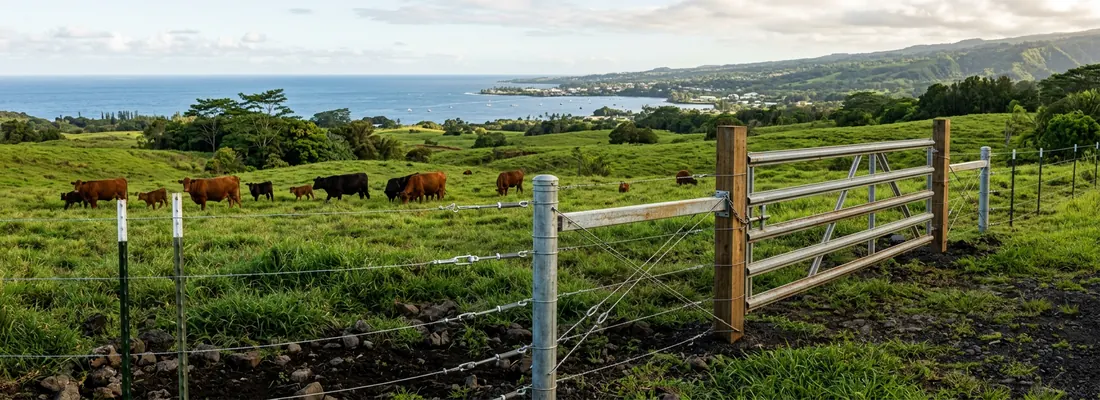
Happy Aloha Friday!
· Miranda Country Store
Key Takeaways
- Consistent pasture rotation prevents overgrazing and promotes soil health across your acreage.
- High-quality supplemental feed ensures livestock maintain optimal weight during seasonal grass fluctuations.
- Regular fence maintenance is essential for protecting both your animals and your grazing resources.
As another productive week concludes, we are focusing on the essential role of pasture management and quality feed in keeping Hawaiʻi livestock healthy and thriving.
Happy Aloha Friday from the team at Miranda Country Store. This week, we are celebrating the dedication of our local agricultural community by focusing on the vital connection between healthy pasture management and high-quality livestock nutrition for a successful ranching operation.
Key Takeaways
- Consistent pasture rotation prevents overgrazing and promotes soil health across your acreage.
- High-quality supplemental feed ensures livestock maintain optimal weight during seasonal grass fluctuations.
- Regular fence maintenance is essential for protecting both your animals and your grazing resources.
What are the best practices for Hawaiʻi pasture management?
The best practices for Hawaiʻi pasture management involve implementing a rotational grazing system to allow grass recovery, managing invasive weeds through targeted fertilizer and herbicide applications, and maintaining secure perimeters. This approach ensures a sustainable food source for livestock while preserving the long-term health of the island soil and ecosystem.
Why is supplemental animal feed important during the rainy season?
Supplemental animal feed is critical during the rainy season because excessive moisture can lower the nutritional density of pasture grasses. Providing high-quality minerals and protein supplements helps livestock maintain their body condition and immune health when lush but watery forage lacks the necessary dry matter and concentrated nutrients required for growth.
Weekly Progress and Preparation
As we wrap up our Friday tasks, it is the perfect time to audit your supplies. Many local ranchers use the weekend to check fencing supplies and ensure gates are swinging properly before the next work week begins. Proper preparation today leads to a more relaxing and productive weekend on the ranch.
- Inspect corner posts for tension and stability.
- Check water troughs for cleanliness and consistent flow.
- Ensure feed storage areas are dry and pest-free.
Frequently Asked Questions
How often should I rotate my livestock between pastures in Hilo?
Livestock should be rotated based on grass height rather than a set calendar, typically moving animals when forage is grazed down to three or four inches. In the Hilo area, rapid growth frequently allows for rotations every 14 to 21 days, though this varies significantly with rainfall levels and stocking density.
Which fencing materials are best for the East Hawaiʻi climate?
The best fencing materials for the humid East Hawaiʻi climate include Class 3 galvanized wire and heavy-duty T-posts designed to resist rust and corrosion. Using high-quality coatings ensures that your perimeter remains secure against the elements, protecting your investment and your livestock from potential escapes or intrusions.
Visit Miranda Country Store
Keaau, HI 96749Open in Google Maps →