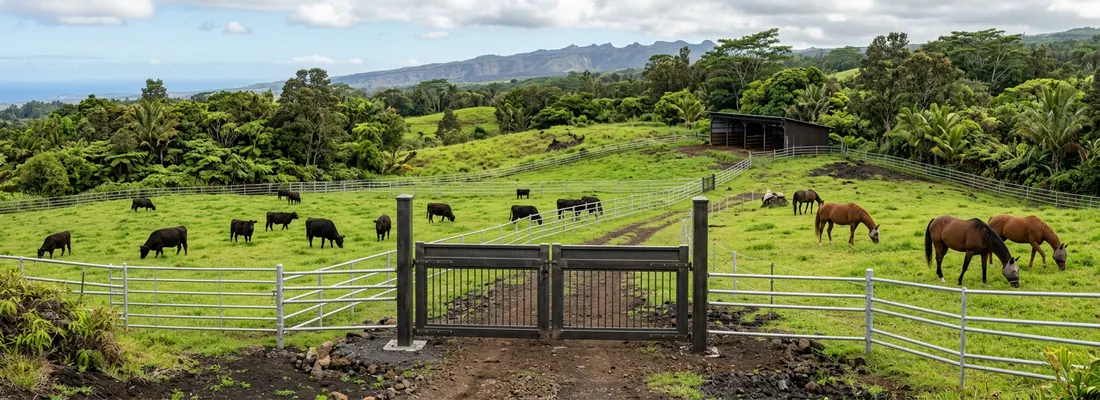
Tropical Horse Care: Keeping Big Island Equines Healthy
· Miranda Country Store
Key Takeaways
- Supplement calcium and phosphorus to counteract high oxalate levels in tropical grasses.
- Maintain a rigorous grooming and hoof care routine to prevent "scratches" and thrush in wet weather.
- Provide constant access to clean water and electrolytes to prevent dehydration and heat-related colic.
- Use high-quality fly masks and sheets to protect sensitive skin from "sweet itch" and UV rays.
- Check with local experts to ensure your feed regimen matches the specific needs of Big Island terrain.
Learn how to manage horse care in tropical climates, from preventing Big Head disease to managing hoof health in the Big Island's unique environment.
Effective horse care in tropical climates requires a focus on high-quality hydration, specialized mineral supplementation to balance local forage, and proactive skin and hoof management. Because Hawaiʻi is warm and humid year-round, owners must mitigate heat stress while preventing fungal infections and common nutritional deficiencies like calcium imbalances.
Key Takeaways
- Supplement calcium and phosphorus to counteract high oxalate levels in tropical grasses.
- Maintain a rigorous grooming and hoof care routine to prevent "scratches" and thrush in wet weather.
- Provide constant access to clean water and electrolytes to prevent dehydration and heat-related colic.
- Use high-quality fly masks and sheets to protect sensitive skin from "sweet itch" and UV rays.
- Check with local experts to ensure your feed regimen matches the specific needs of Big Island terrain.
Understanding the Tropical Challenge: Heat and Humidity
Living on the Big Island offers beautiful riding trails, but the environment presents unique physiological challenges for equines. The combination of high heat and humidity makes it difficult for horses to cool themselves through evaporation, which can lead to overheating or anhidrosis, the inability to sweat properly.
How does heat stress affect Big Island horses?
Heat stress in horse care in tropical climates occurs when a horse's internal temperature rises faster than they can cool down. This leads to lethargy, increased respiratory rates, and a higher risk of impaction colic. Owners must provide ample shade, ventilation, and adjust exercise schedules to cooler morning or evening hours.
Tropical Forage and Oxalate Issues: Preventing 'Big Head' Disease
Many common grasses found in Hilo, Puna, and the Hāmākua Coast, such as Setaria and Kikuyu, are high in oxalates. Oxalates bind to calcium in the horse's gut, preventing absorption and potentially leading to Nutritional Secondary Hyperparathyroidism, colloquially known as "Big Head" disease.
What are the signs of calcium deficiency in tropical pastures?
Early signs of calcium deficiency include shifting lameness, stiff gait, and poor dental health. If left untreated, the horse's body will pull calcium from its bones, particularly the facial bones, causing them to enlarge. Using specialized animal feed with a proper calcium-to-phosphorus ratio is essential for prevention.
To combat this, many Big Island ranchers choose to supplement with alfalfa hay or pellets. Alfalfa is naturally high in calcium, helping to override the oxalate interference from local grasses. Our team can help you calculate the right balance for your specific pasture type.
Hydration and Electrolytes in the Hawaiʻi Heat
A horse working in the tropical sun can lose gallons of sweat and vital minerals in a single hour. Standard salt blocks are often insufficient for performance horses or those living in particularly humid areas like Keaau or Pāhoa.
Why are electrolytes vital for horses in Hawaiʻi?
Electrolytes are essential for horse care in tropical climates because they replace sodium, potassium, and chloride lost through heavy sweating. These minerals are critical for muscle function, nerve impulses, and maintaining the thirst drive. Supplementing electrolytes daily ensures your horse stays hydrated and recovers quickly after exercise or heat exposure.
Managing Skin and Hoof Health in Wet Environments
The lush, rainy side of the island is paradise for grass, but it is also a breeding ground for bacteria and fungi. Constant moisture can soften the hoof wall and the skin of the lower legs, making them susceptible to painful conditions like "scratches" (rain rot) and thrush.
How do you prevent fungal skin infections in horses?
Preventing skin infections requires keeping the horse as dry as possible and maintaining a clean environment. Regularly grooming to remove mud, using medicated shampoos, and ensuring stalls have dry bedding are key steps. Additionally, maintaining secure fencing to keep horses out of standing water or boggy areas helps protect their lower legs.
Hoof health also depends on internal nutrition. Bio-available biotin and zinc supplements help strengthen the hoof horn, making it more resistant to the "softening" effects of our daily rains. Regular farrier visits are non-negotiable to manage flare and prevent abscesses in the wet Hilo soil.
Recommended Supplements for Hawaiʻi's Performance Horses
Whether you are roping in Waimea or trail riding in Kalapana, your horse likely needs more than just pasture. Because our volcanic soil is often acidic, it can lack certain micronutrients necessary for peak athletic performance and recovery.
Calcium and Phosphorus:
Essential for balancing high-oxalate tropical grasses.
Omega-3 Fatty Acids:
Great for skin health and reducing inflammation caused by insect bites.
Biotin:
Supports hoof integrity in high-moisture environments.
Vitamin E and Selenium:
Often deficient in volcanic soils, these support muscle health and immune function.
How Miranda Country Store Can Help Your Big Island Equine Health
We understand the specific demands of raising horses in Hawaiʻi because we live and work here too. From high-quality vitamin supplements to specialized feeds designed for tropical conditions, we carry the inventory you need to keep your herd thriving year-round.
Where can I find the best horse supplies on the Big Island?
Miranda Country Store in Keaau provides a wide range of products specifically curated for horse care in tropical climates. We stock premium feeds, electrolytes, hoof care treatments, and parasite control. Our knowledgeable staff is always available to help you select the right products for your horse's unique nutritional and environmental needs.
If you have questions about which products are right for your pasture or your horse's activity level, please contact us today. We are proud to support the local Paniolo community and backyard enthusiasts alike.
Frequently Asked Questions
How do I prevent Big Head disease in Hawaiʻi horses?
Preventing Big Head disease involves supplementing your horse's diet with extra calcium and phosphorus to offset high oxalates in tropical grasses. Feeding alfalfa pellets or hay alongside local pasture and providing a balanced mineral lick are the most effective ways to ensure proper calcium absorption and bone health.
What is the best way to manage rain rot in humid climates?
Managing rain rot requires keeping the skin dry and clean. Remove the horse from muddy pastures during heavy rain, use a breathable fly sheet or rain sheet, and groom daily to increase air circulation to the skin. Antimicrobial washes can also help eliminate the bacteria that cause these painful crusty scabs.
Do horses in Hawaiʻi need extra salt?
Yes, horses in Hawaiʻi often need more salt and electrolytes than horses in temperate climates due to constant sweating. Provide a plain white salt block for free-choice access and consider adding loose salt or an electrolyte supplement to their daily grain, especially during the hot summer months or after heavy work.
Visit Miranda Country Store
Keaau, HI 96749Open in Google Maps →